

Complete Guide to Home Gym Flooring UK 2025: Best Options for Your Training Space
Building a home gym is an exciting project, but choosing the right flooring is one of the most critical decisions you'll make. The wrong flooring can lead to damaged subfloors, noise complaints from neighbours, and even injury risks. This comprehensive guide covers everything you need to know about home gym flooring in the UK.
Why Home Gym Flooring Matters
Your gym flooring serves multiple essential functions: protecting your existing floor from heavy equipment and dropped weights, reducing noise and vibration transfer (crucial in flats and apartments), providing shock absorption to reduce joint stress and fatigue, creating a stable, non-slip surface for safe training, and defining your dedicated workout space.
Without proper flooring, you risk damaging your subfloor, disturbing neighbours or family members, voiding your home insurance in some cases, and creating an unsafe training environment.
Types of Home Gym Flooring: Pros & Cons
1. Rubber Gym Mats (Recommended)
Best for: Weightlifting, CrossFit, HIIT, multi-purpose gyms
Pros:
- Exceptional durability (10+ years lifespan)
- Superior shock absorption and noise reduction
- Handles dropped weights without damage
- Non-slip surface even when wet
- Easy to install and maintain
- Professional appearance
Cons:
- Higher initial cost than foam
- Can have rubber smell initially (dissipates quickly)
Verdict: Rubber gym mats are the gold standard for serious home gyms. They offer the best balance of durability, performance, and value for money.
2. Foam Mats
Best for: Yoga, Pilates, stretching areas
Pros:
- Inexpensive
- Lightweight and portable
- Soft underfoot
Cons:
- Poor durability (1-2 years)
- Compresses under heavy weights
- Tears easily
- Minimal noise reduction
- Not suitable for dropped weights
Verdict: Only suitable for light exercise. Not recommended for serious training.
3. PVC/Vinyl Flooring
Best for: Light cardio areas
Pros:
- Water-resistant
- Easy to clean
- Moderate cost
Cons:
- Can crack under heavy loads
- Limited shock absorption
- Poor noise dampening
- Moderate durability (3-5 years)
Verdict: Acceptable for cardio equipment but not ideal for weightlifting.
4. Rubber Rolls
Best for: Large commercial spaces
Pros:
- Seamless coverage
- Very durable
- Professional appearance
Cons:
- Difficult to install (often requires professional fitting)
- Hard to replace damaged sections
- More expensive
- Not portable
Verdict: Better for permanent commercial installations than home gyms.
How to Choose the Right Thickness
Thickness is crucial for performance and protection:
6-8mm: Suitable only for yoga, Pilates, and light stretching. Not recommended for equipment or weights.
10-12mm: Acceptable for light cardio equipment (treadmills, bikes) and bodyweight exercises. Minimal protection for dropped weights.
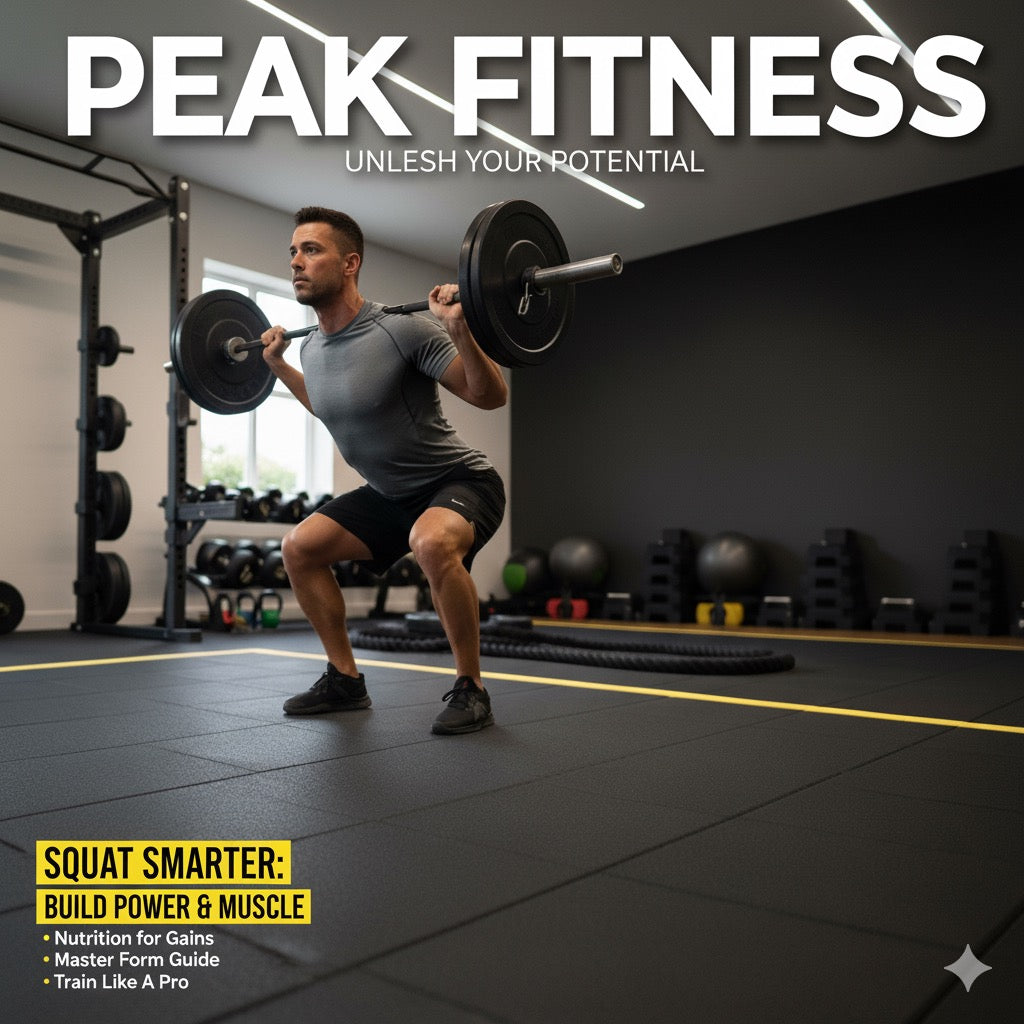
15-20mm (Recommended): Ideal for most home gyms. Provides excellent shock absorption, noise reduction, and floor protection. Suitable for weightlifting, CrossFit, and all training types.
20mm+: Premium option for serious lifters, multi-storey buildings requiring maximum noise reduction, or commercial-grade home gyms.
Our recommendation: For a versatile home gym, choose 15-20mm rubber gym mats for the best balance of protection and value.
Installation Guide for Home Gym Flooring
Step 1: Measure Your Space
Measure your gym area accurately, accounting for equipment placement. Add 10% for cuts and waste.
Step 2: Prepare the Subfloor
Ensure the floor is clean, dry, and level. Sweep thoroughly and repair any cracks or uneven areas.
Step 3: Plan Your Layout
Start from the most visible corner and work outward. This ensures cuts are hidden in less visible areas.
Step 4: Install Mats
For interlocking rubber mats, simply connect the pieces together. No adhesive needed for most home installations.
Step 5: Add Finishing Touches
Install bevelled edge pieces around the perimeter to prevent trip hazards and create a professional finish.
Cost Breakdown: Home Gym Flooring UK
Budget for your home gym flooring based on these typical UK prices:
- Foam mats: £2-5 per sq ft (not recommended for serious training)
- PVC flooring: £3-7 per sq ft
- Rubber mats: £5-12 per sq ft (best value for durability)
- Rubber rolls: £8-15 per sq ft plus installation
Example: A 3m x 4m (12 sq m / 129 sq ft) home gym with quality rubber mats would cost approximately £650-£1,550 – a worthwhile investment that will last 10+ years.
Common Mistakes to Avoid
1. Choosing foam for weightlifting – It will compress and tear quickly
2. Skipping edge pieces – Creates trip hazards and looks unfinished
3. Installing on damp concrete – Can cause mould and odour issues
4. Buying too thin – Inadequate protection and noise reduction
5. Not accounting for equipment weight – Some flooring can't handle heavy racks and machines
Noise Reduction for Flats & Apartments
If you're building a home gym in a flat or apartment, noise reduction is critical:
- Choose minimum 15mm thick rubber mats
- Consider additional underlayment for exceptional sound dampening
- Install edge pieces to prevent vibration transfer
- Use rubber mats under all equipment, especially cardio machines
- Avoid dropping weights from height when possible
Heavy-duty rubber gym mats provide excellent noise dampening, making them ideal for multi-storey buildings.
Maintenance & Longevity
Proper maintenance extends your flooring's lifespan:
Daily: Sweep or vacuum to remove dust and debris
Weekly: Mop with mild detergent and water
Monthly: Deep clean with rubber floor cleaner
Avoid: Harsh chemicals, bleach, or abrasive cleaners
Quality rubber gym mats require minimal maintenance and can last 10-15 years with proper care.
Final Recommendations
For most UK home gyms, we recommend:
- Material: Interlocking rubber mats
- Thickness: 15-20mm
- Coverage: Full floor coverage in training area
- Finish: Bevelled edges around perimeter
This combination provides excellent durability, noise reduction, floor protection, and professional appearance at a reasonable cost.
Ready to build your perfect home gym? Explore our range of professional-grade rubber gym mats designed specifically for UK home and commercial gyms.
Frequently Asked Questions
Q: Can I install gym flooring over carpet?
A: Not recommended. Carpet creates an unstable base and can trap moisture. Remove carpet first or install over hard flooring.
Q: Do I need to glue down gym mats?
A: For most home gyms, interlocking mats don't require adhesive. The weight of equipment holds them in place. Only large commercial spaces typically need gluing.
Q: Will gym flooring damage my existing floor?
A: No, gym flooring protects your existing floor. Ensure the subfloor is clean before installation to prevent trapped debris from causing scratches.
Q: How much flooring do I need?
A: Measure your gym area in square metres and add 10% for cuts and waste. Most suppliers can help calculate exact requirements.
Q: Can I take gym flooring with me if I move?
A: Yes! Interlocking rubber mats are fully portable and can be disassembled and reinstalled in your new home.